Surgery for Thyroid Cancer
- Surgery for Thyroid Cancer
Thyroid cancer is a type of cancer that starts in the thyroid gland, a butterfly-shaped gland located at the base of the neck. Best Thyroid Cancer Treatment Doctor in Gurgaon is Dr. Shilpi Sharma. The most common types of thyroid cancer are papillary and follicular thyroid cancers. These are typically slow-growing cancers that respond well to treatment. When thyroid cancer is diagnosed, surgery is often the first line of treatment.
There are several types of surgery that might be used to treat thyroid cancer, depending on the size and location of the tumor, whether the cancer has spread, and the patient’s overall health.
The most common surgical procedures are:


In this surgery, only one lobe (half) of the thyroid gland is removed. This is often an option if the cancer is small and confined to one side of the thyroid. If the cancer is later found to be more aggressive than initially thought, or if it recurs, a completion thyroidectomy can be done to remove the rest of the thyroid.
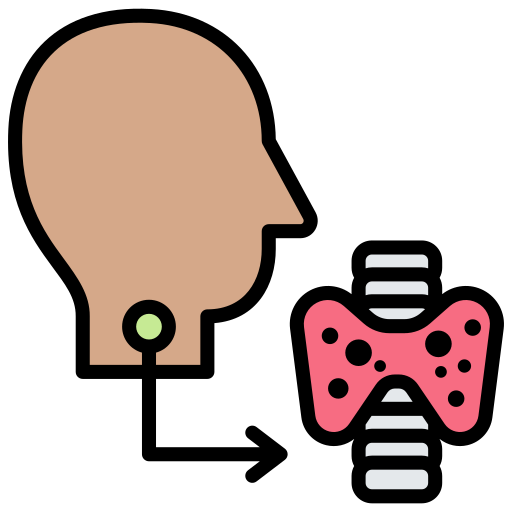
If the cancer has spread to lymph nodes in the neck, these will be removed during surgery. This procedure can be done at the same time as a thyroidectomy.
Before the operation, the patient will undergo a series of tests, including blood tests, imaging scans, and sometimes a biopsy to evaluate the size, location, and possible spread of the cancer.
During the surgery, the patient is under general anesthesia. The surgeon makes an incision in the neck to access the thyroid gland and remove it or the cancerous lobes. The procedure may take several hours, depending on the extent of the cancer.
After surgery, the patient is often hospitalized for a day or two. Pain can be managed with medication, and the patient will be monitored for any complications, such as bleeding, infection, or damage to the nearby parathyroid glands or nerves.
Once discharged, the patient will need to rest and recover at home. They may need to take thyroid hormone replacement medication, and they will have regular follow-ups with their doctor to monitor their recovery and adjust medication as necessary.
In some cases, additional treatments such as radioactive iodine therapy, external radiation therapy, or chemotherapy may be needed after surgery.