
Q.1 What is oral cancer?
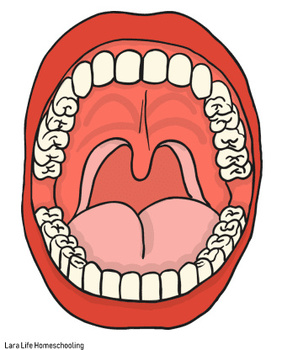
Oral or mouth cancer includes cancer of lip, tongue, floor of mouth or area between tongue and lower jaw bone, cheek, upper and lower jaw bones, bony/hard palate and retromolar trigone, a triangular area between upper and lower jaw.
Q.2 How common is oral cancer?
Oral cancer is the most common cancer amongst Indian males. It is the fourth common cause of cancers in women. However, in some part of our country, it is one of the commonest cancers in women. Every year approximately 1 lakh new cases of oral cancers are detected in India.
Q.3 How serious is oral cancer?
Oral cancer is not only very common but also a serious problem in India. As per a study, it is the most common cause of deaths due to cancer in our country. Nearly half of patients diagnosed with oral cancer die within one year of detection. The main reason behind this high death rate is that 60-70 percent of these cases are detected in advanced stages.
Q.4 What are the causes of oral cancer?
Tobacco consumption is the most common cause of oral cancer. Tobacco is consumed in various forms in our country. It may be chewed, applied or smoked. Tobacco is chewed in form of mawa, khaini, pan, pan masala etc. It may be smoked in the form of bidi, Hukkah, cigarette etc. and applied on the surface in the form of paste or tooth powder. Mishri, a tobacco containing teeth cleaning powder is commonly used in central and southern India. Gutka and areca nut, commonly known as supari also cause mouth cancer and rampantly used in some part of our country. All these forms are harmful and cause cancer. Alcohol is another cause of oral cancer especially of floor of mouth cancers. Risk of cancer is increased many folds when both tobacco and alcohol are consumed together. Sharp tooth and ill-fitting dentures causing repeated trauma can also cause oral cancer. Poor oro-dental hygiene, HPV virus infection, dietary deficiencies are also reported as causative agents for oral cancer.
Q.5 What are the Symptoms / Warning Signs of oral cancer?
- Non healing ulcer i.e., an ulcer which does not heal despite treatment
- Any rough area inside mouth
- Any growth that bleeds on touch
- White patch or red patch inside mouth
- Sudden fall of tooth
- Change in size of dentures
- Altered speech
- Difficulty in eating
- Pain at the back side of throat radiating to ear
- Neck swelling
- Skin ulcer or swelling over face